








Routes
Municipality

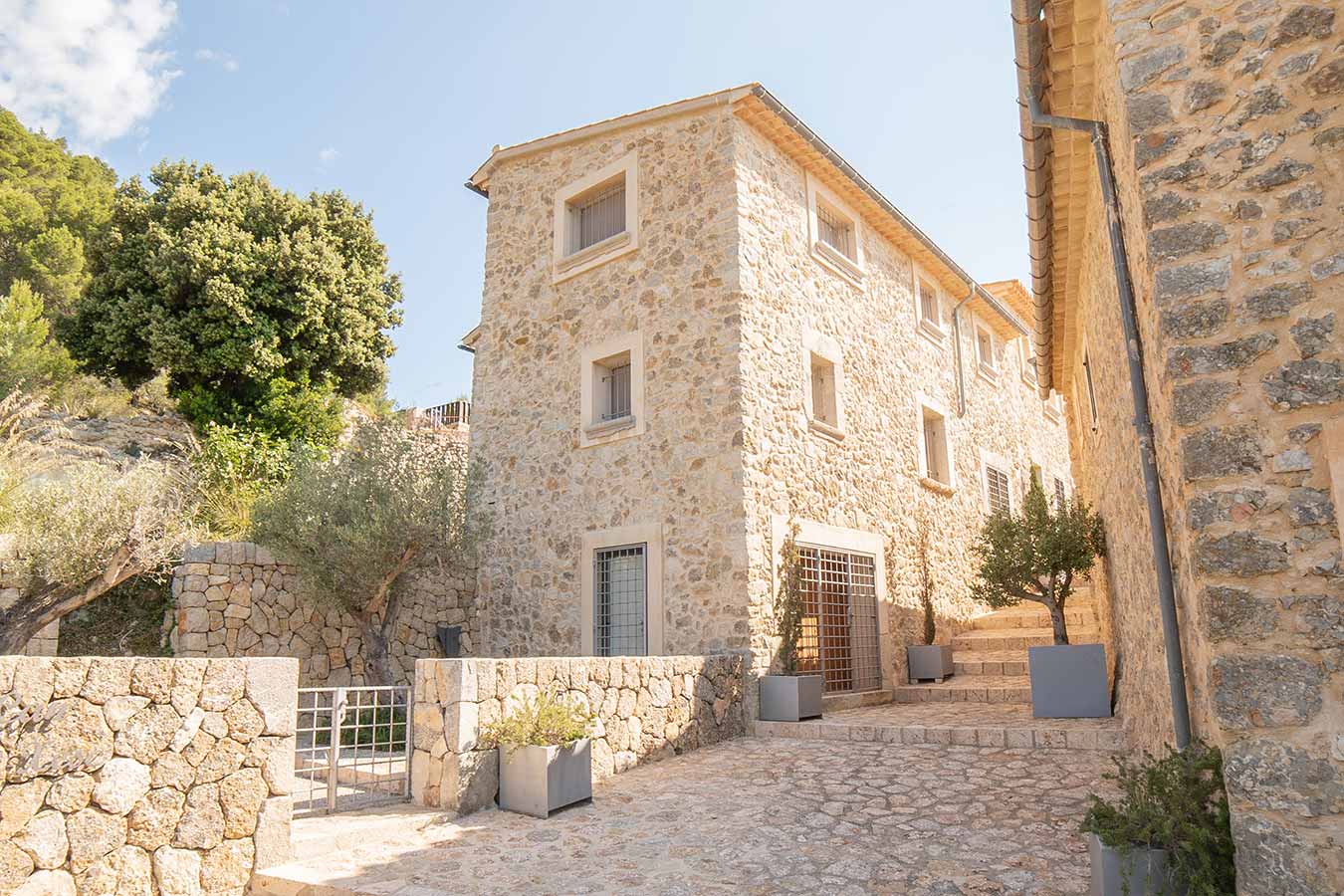
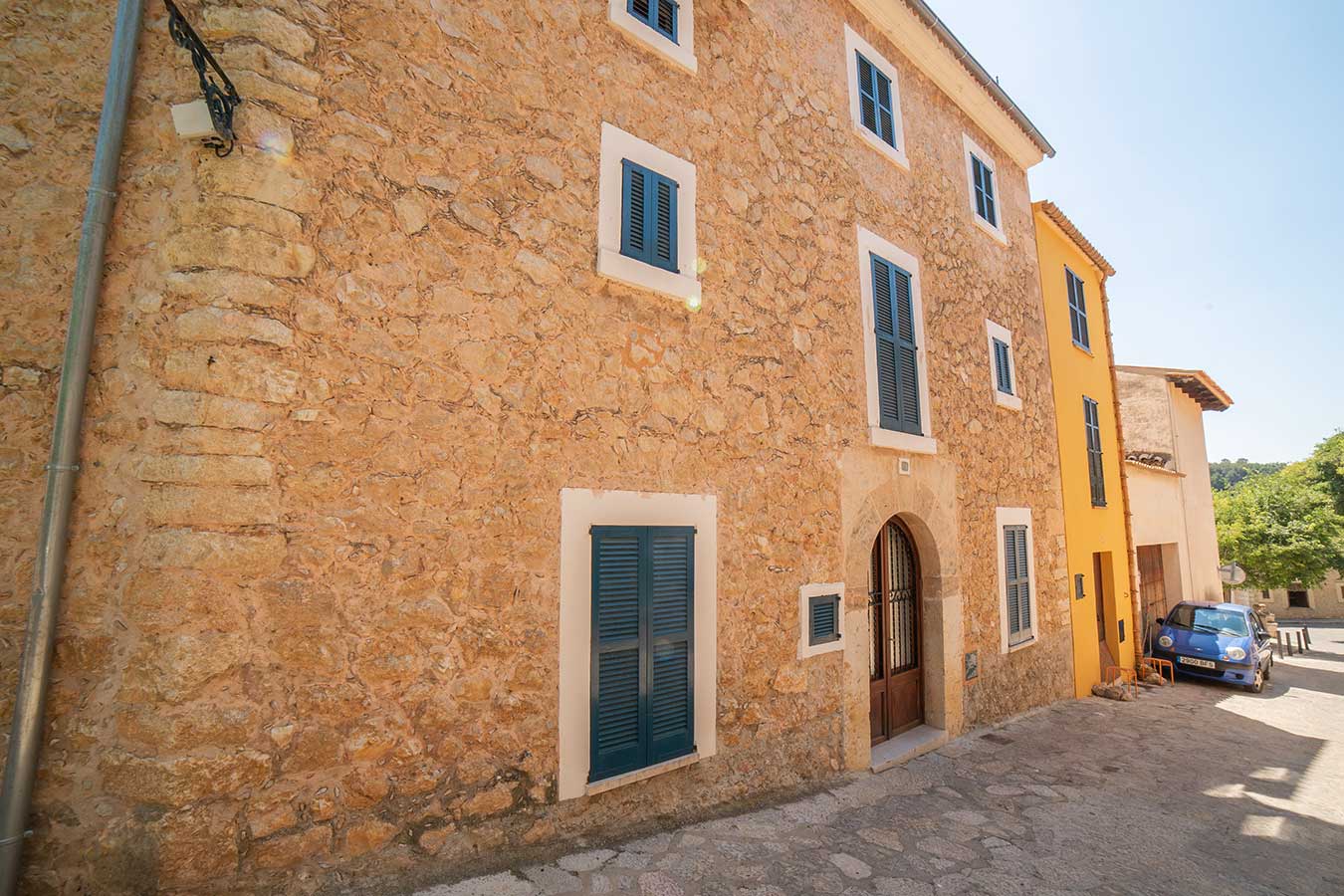
Mancor de la Vall is located in the heart of the Serra de Tramuntana, 215 metres above sea level and is connected by road to Inca, Biniamar and Caimairi. The name Mancor comes from the Islamic period, specifically from the word benacor, which in Arabic means: high building on the hill, referring to Santa Lucia. Another origin could be from the Berber clan of the Manquir.
The charm of a small village remains intact, with barely 1,500 registered inhabitants and a surface area of approximately 20 kilometres. The district is made up of small villages or farmsteads such as Mancor, Biniarroi, Massanella and Biniatzent, which date back to the time of the Conquest by King Jaume I.
Surrounded by mountains, it has a past that goes back to various times in history such as the prehistoric era, the Muslim period, from which it retains numerous place names, and the conquest of Mallorca, where it became part of the district of Selva until April 1925, when it gained independence, putting an end to 625 years of dependence.
As well as a picturesque village, you will find an exquisite range of local gastronomy and hiking routes on offer that will help you enjoy the privileged environment like never before.
Mancor de la Vall has an important archaeological legacy defined by the talayots of Clot dels Diners and Conia, the fortified settlement of Son Boscà which is defended by a wall and the cave of Montaura, where the ancestors buried their dead and worshipped their idol in the form of a bull.
The Muslim domination left place names such as Biniatzent, Biniarroi, surnames such as Binimelis, and architectural elements related to agriculture such as the sínies (old machine to collect water) or safareigs (old place to collect water where the clothes were washed).
In 1300, King James II of Mallorca founded the outside villages and Mancor was included in the district of Selva. The chapel of Santa Lucia is a small medieval church on the top of a hill dating from 1275, which until the beginning of the 17th century was the centre of worship for the villages of Mancor, Biniarroi, Massanella and Biniatzar. After several renovations, a unique building was constructed and dedicated to spiritual activities by the religious congregations that have managed it over the years.
In 1348, many inhabitants died of the black plague and as it was impossible to go up to Santa Lucia, the Mancorins built the church of San Juan Bautista, to which is attached the cemetery.
Mancor de la Vall worships Saint John as its patron saint (24th June), a date on which an extensive programme of cultural and festive activities takes place, such as street parties, parades with traditional giants, sports competitions, open-air dinners in which all the inhabitants of the village take an active part.
Another unmissable event for lovers and enthusiasts of the world of wild mushrooms is the ‘Fira de l’esclata-sang i la muntanya’ which takes place at the end of November and during which, Mancor becomes the centre of the insular mycomania. During a whole weekend, exhibitions, folk dances and various activities are held in all the town squares, as well as a market of wild mushrooms and artisan and local products where you can find all kinds of specimens and varieties. A varied gastronomic offering, elaborated from wild mushrooms as the main ingredient, goes hand in with hand the festivities.
But the people from Mancor de la Vall celebrate many other dates in the calendar; in January, Saint Anthony is worthy of great celebrations in the form of bonfires, barbecues, blessings of Saint Anthony (beneïdes), floats and the descent of the raven Rasputin.
The villagers let their hair down at Carnival time, in late February or early March, when the villagers dress up in costumes and go through the town in unique processions or parades called ‘ruas’ or ‘ruetas’. The festivities end with the traditional ‘burial of the sardine’, where the locals weep disconsolately for the end of the festivities of Don Carnal.
Later, Lent arrives to give way to Easter and Holy week, in which, with great devotion, various religious events are celebrated such as the ‘Descent from the Cros’s in Son Tomeu, the procession of the Encounter or the ‘Pancaritat of Santa Lucia’ that puts an end to Easter.
On St. George’s Day (April 23), the book fair is held and on the Feast of the Virgins (October 21), in the past the young men of the village sang serenades to the girls, who invited their suitors to fritters and muscatel, an activity that is still done today.
Another of the most traditional meeting points are the ‘matanzas’ (pig slaughters) that take place in private homes and are a day of work and celebration in which the local sausages are made; sobrasada, butifarrón, longaniza, camaiot, among others.